Friday, March 20, 2015

Cholesterol and lipids

http://allinclusiveinfo.blogspot.com/

Cholesterol is one of a large and important class of biological molecules called lipids, which is scientific jargon for fats.
Apart from cholesterol, there are several other biologically important lipids in the body: fatty acids and their derivatives, triglycerides and phospholipids. 
Cholesterol and triglycerides are transported in the bloodstream as lipoproteins. LDL and HDL are varieties of lipoproteins.
 Triglycerides are stored as fatty acids in adipose tissue (the layer of visible fat under the skin and around organs).
 Recent evidence suggests that raised triglycerides pose a risk for coronary artery disease. This is particularly true when raised triglycerides are part of the so-called metabolic syndrome, which is characterised by abdominal obesity, high blood pressure, reduced HDL cholesterol and diabetes or prediabetes.

What is cholesterol?
This fatty substance is present in the bloodstream and in all your tissues and cells. It’s necessary for human life and is made by the liver, although virtually all cells are capable of making it. We also get cholesterol from the foods we eat.
People often think that cholesterol is the root cause of all cardiovascular disease. This is partly true, but such a view is overly simplistic, because cholesterol also has a beneficial role to play in our body. Furthermore, fatty acids – another class of lipids – also influence health and disease, whether they occur in the walls of cells or in particles with cholesterol.

Other lipids
Apart from cholesterol, there are several other biologically important lipids (fats) in the body:
·         Fatty acid derivatives. These can be used as an energy source and are transported in the blood bound to a protein called albumin.
·         Triglycerides consist of three fatty acids linked to a chemical substance called glycerol. Similarly to cholesterol, they are carried in the blood as complexes called lipoproteins.
·         Phospholipids. These are complex molecules of which the phosphate-containing end is water-soluble and the lipid end is not. Phospholipids form part of the cell walls.
Phospholipids and triglycerides are transported in the blood in the form of lipoprotein complexes. These complexes are graded according to size and lipid content, and there are six of them that are clinically important:
Lipoprotein
Size (nanometres)
% protein
% cholesterol
%
triglyceride
Chylomicrons
75-1 000
2
3
85-90
Chylomicron remnants
30-80
Increased over above
Decreased from above
Very-low density lipoproteins (VLDL)
30-80
8
16
55-65
Intermediate- density lipoproteins (IDL)
25-40
10
25
15-30
Low-density lipoproteins (LDL)
20
20
46
8-12
High-density lipoproteins (HDL)
7.5-10
50
16
3-10
These lipoprotein "shuttles" have specific functions. Of relevance are:
·         Chylomicrons. These are large particles that carry dietary fats from the intestine through the blood circulatory system. In muscle and adipose tissue there is an enzyme that will enable the removal of a large portion of the triglycerides in chylomicrons.
·         LDL. This delivers cholesterol to tissues, where it is used by growing cells that need cholesterol or may be deposited when in excess. This has earned it the name of "bad cholesterol".
·         HDL. This is known as "good cholesterol", because its main function is to remove cholesterol from cells and tissues and carry it back to the liver for excretion.
How lipids move around
Body components, including lipids, are continually being formed, used, degraded and replaced. The process entails transport of biological compounds between tissues, using the blood plasma as the main highway.
For lipids, this poses a problem since they’re generally not water-soluble.
The transport problem has been solved by incorporating cholesterol and triglycerides into the lipoproteins. These lipoproteins are classified according to their density or protein content.
·         LDL and HDL are the two varieties of lipoproteins that are most strongly associated with vascular disease.
HDL (“good” cholesterol)
An increased level of HDL cholesterol is associated with a lower risk of coronary heart disease (CHD). Conversely, low levels of HDL cholesterol are associated with an increased risk. This is why HDL is thought of as the "good" type of cholesterol.
However, it seems that it is not actually the cholesterol itself that is “good”, but the lipoprotein which carries it – in other words, high-density lipoprotein (HDL).
It appears that the HDL molecule itself can clean out excess cholesterol – including that which came from the “bad” LDL cholesterol which has accumulated in the walls of arteries – and take it back to the liver for reprocessing. It also performs antioxidant activities, which help protect arteries against atherosclerosis, the cause of CHD.

What are triglycerides?
A triglyceride is a molecule formed by three fatty acid chains linked to a molecule of glycerol.
Triglycerides are carried in the blood as lipoprotein complexes (see article on for more detail). Once they reach their target organ, triglycerides are split by enzymes to release the three fatty acids inside the tissues, where they are used as a source of energy or stored again as triglycerides. The visible evidence of this is the fat under the skin, but some fat can also be stored in the abdomen and organs. All tissues are able to use fats for energy, heart muscle in particular.
The amount of stored fat varies widely: in non-obese men it can make up 15% of body weight and in non-obese women, 21%. Deposition of the fat on the hips, buttocks and thighs (peripheral obesity) is believed to be less unhealthy compared with fat deposited in the abdomen (central obesity). The latter forms could be a manifestation of the metabolic syndrome with attendant increases of triglycerides, resistance to insulin, elevation of blood pressure and decrease in HDL.
There is another type of body fat known as “brown fat”, which is present more in infancy than in adulthood. This is found on the back, at the nape of the neck and around the major blood vessels. The function of brown fat is thought to be mainly concerned with insulation, heat production and for adapting to cold climates.

Triglycerides and heart disease
Triglycerides are usually measured as part of a standard blood lipid profile. But what do the results mean?
So far, all we know is that triglycerides have been associated with coronary artery disease (CAD). But there is no definite proof that they alone are actually a specific risk factor.
However, most people with raised triglycerides have other major risk factors for CAD such as obesity, diabetes and high blood pressure. This has made it difficult to sort out whether triglycerides are an independent risk factor.
The relationship between triglycerides and high-density lipoprotein (HDL) cholesterol is complex. Whenever triglycerides are increased, HDL decreases. So it may be that part of the problem with raised levels of triglycerides is that they come with lower levels of HDL.
However, there is recent evidence to suggest that raised triglycerides alone pose a risk for CAD. This is particularly true when raised triglycerides are part of the so-called metabolic syndrome, which is characterised by abdominal obesity, high blood pressure, reduced HDL cholesterol, and diabetes or prediabetes.

Where do cholesterol and triglycerides come from?
There are two main sources of cholesterol and triglycerides:
·         External sources: the diet
·         Internal sources: manufactured/recycled by the body, especially the liver
Fats from our diet 
In terms of diet, cholesterol and triglycerides come mainly from eating animal products, fish, dairy products and various oils, which are then absorbed through the gut.

Eggs and shrimp have very high cholesterol content. For practical purposes, plants have no cholesterol. Plant products have cholesterol-like substances called phytosterols, which may compete with cholesterol for absorption. When consumed in very large amounts, they can lower cholesterol absorption and consequently lower blood cholesterol by about 5-10%.
In the intestine, the ingested cholesterol and triglycerides are assembled into special spherical packages called chylomicrons, which travel through the bloodstream to the liver. Most of the cholesterol in the diet stays in the chylomicrons and is taken up by the liver where it mixes with newly made cholesterol, made by the liver itself. Chylomicrons only remain in the blood stream for a short while. The liver is where fats are broken down and made from metabolic products of sugars and proteins. Not only does the liver make cholesterol, it also makes fatty acids, triglycerides and phospholipids for export to the rest of the body. The fats made in the liver are assembled with protein compounds called apolipoproteins to make a new, fat-rich lipoprotein called VLDL – very-low-density lipoproteins.
Again, the VLDLs lose most of their triglycerides as fatty acids to muscle and adipose tissue where they are either used or stored. Some of these are taken up by the muscles as fuel while the rest is laid down as fatty (adipose) tissue in the body. The fats in adipose tissue act as energy reserves – all too often never utilised!
But instead of excess being taken up by the liver, they are converted in the plasma (the liquid, non-cellular part of the blood) into a new form of lipoprotein called LDL or low-density lipoprotein. LDL is very rich in cholesterol and is known as the “bad” form of cholesterol. It is these particles which, in excess, can lead to atherosclerosis and coronary artery disease.
LDL remains in the blood stream for around three days before it is removed by the liver.
The mechanism whereby LDL is removed by the liver is important. LDL is linked to a protein called apoB. This recognises a specific receptor on the liver cell – the apoB-receptor also known as the LDL receptor. This allows LDL to “dock” at the receptor and so be taken up by the liver.
This is important because if the receptor is faulty, as happens in the case of familial hypercholesterolaemia, the LDL is not taken up. When this happens, an excess of LDL circulates in the blood stream, penetrating the vascular wall and leading to coronary artery disease.
There is another lipoprotein in this story – HDL or high-density lipoprotein. Of all the lipoproteins, only high-density lipoprotein (HDL) does not deposit cholesterol in tissues. Instead, it removes cholesterol, taking it back to the liver for excretion.
HDL has the ability to pick up excess free cholesterol from peripheral (non-liver) cells, including those accumulating in the arterial wall which predispose to coronary artery disease.
HDL returns the excess cholesterol directly to the liver. HDL also carries important protective antioxidant enzymes and other molecules which lessen the risk of coronary artery disease. It seems also to limit the adverse response of the arterial lining to lipoproteins, cells and clotting processes.
All these properties make HDL an effective anti-coronary disease agent. The cholesterol measured in HDL is therefore called "good" cholesterol.
This means that not only are your levels of cholesterol and triglycerides important, but also the levels of LDL and HDL.
High levels of LDL and low levels of HDL mean that you have a greater risk of coronary artery disease, and the opposite means that you’re better protected.
The amount of cholesterol and triglycerides made in the liver is influenced by the total energy (kilojoule) intake in the diet and the quantity and kind of fat consumed. That is one reason why diet is so important.
·         Eating saturated fats raises levels of LDL (“bad”) cholesterol; hence too much of these in the diet is harmful.
·         Mono- and polyunsaturated fats are much better for you than saturated fats. In fact eating certain unsaturated fats can actually decrease your total cholesterol levels.
·         When unsaturated vegetable fats are hydrogenated, the process produces yet another type of fatty acid as a side product, called a trans fatty acid. Not only do trans fatty acids raise LDL levels, and so the total levels of cholesterol, but they also lower the levels of HDL – known to protect against coronary artery disease.
·         Measuring lipoproteins
·         The lipoproteins (LPs) have historically been the focus of research into the causes of atherosclerosis and coronary artery disease.
·         They are still important to our understanding, though we now know that many other biological systems are also involved.
·         Because so many different factors – some still unknown – are involved in the development of atherosclerosis and CAD, it is difficult to accurately predict an individual’s risk for a heart attack. However, if someone suffers from extreme derangements or disorders, the risk is vastly increased and easier to predict.
·         The good news is that, for the majority of the population, preventative lifestyle interventions reduce the risk of future illness can to a great extent.
·         Measuring risk
Armed with information about lipoproteins, techniques were developed to measure HDL (“good”) and LDL (“bad”) cholesterol separately. Further research also began to illuminate the biological and other factors which determine the levels of these two plasma lipoproteins.

·         Levels of LDL cholesterol are directly linked to those of another protein – apoB – which is almost entirely carried by LDL. So, instead of measuring LDL cholesterol, scientists realised that measurement of apoB would give similar (but not identical) information.
·         It was also discovered that the LDL packages themselves became smaller and denser in certain disorders, including hypertriglyceridaemia (the medical term for raised triglyceride levels).
·         There is evidence that these forms of LDL are more likely to cause atherosclerosis than the normal version. They are called small-dense LDL or sd-LDL.


Tuesday, March 17, 2015

Tips for Staying Healthy

A healthy lifestyle can help you thrive throughout your life. Making healthy choices isn't always easy, however. It can be hard to find the time and energy to exercise regularly or prepare healthy meals. However, your efforts will pay off in many ways, and for the rest of your life.
http://allinclusiveinfo.blogspot.com/

Steps you can take:

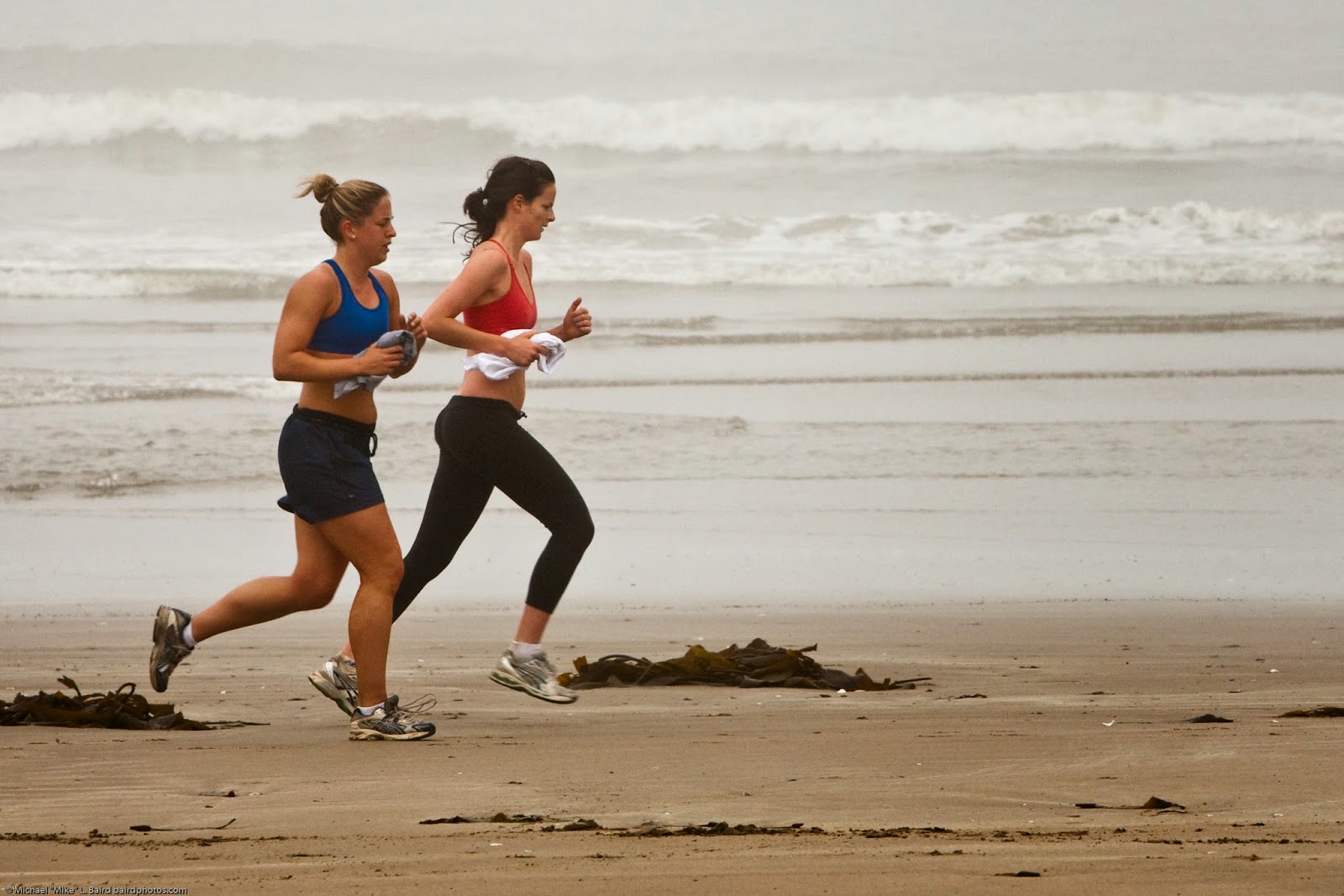
·         Be physically active for 30 minutes most days of the week. Break this up into three 10-minute sessions when pressed for time. Healthy movement may include walking, sports, dancing, yoga, running or other activities you enjoy.
·         Eat a well-balanced, low-fat diet with lots of fruits, vegetables and whole grains. Choose a diet that's low in saturated fat and cholesterol, and moderate in sugar, salt and total fat.
·         Avoid injury by wearing seatbelts and bike helmets, using smoke and carbon monoxide detectors in the home, and using street smarts when walking alone. If you own a gun, recognize the dangers of having a gun in your home. Use safety precautions at all times.
·         Don't smoke, or quit if you do. Ask your health care provider for help. UCSF'sTobacco Education Center offers smoking cessation and relapse prevention classes as well as doctor consultations for smokers trying to quit.
·         Drink in moderation if you drink alcohol. Never drink before or while driving, or when pregnant.
·         Ask someone you trust for help if you think you might be addicted to drugs or alcohol.
·         Help prevent sexually transmitted infections (STIs) and HIV/AIDS by using condoms every time you have sexual contact. Condoms aren't 100 percent foolproof, so discuss STI screening with your provider. Birth control methods other than condoms, such as pills and implants, won't protect you from STIs or HIV.
·         Brush your teeth after meals with a soft or medium bristled toothbrush. Also brush after drinking and before going to bed. Use dental floss daily.
·         Stay out of the sun, especially between 10 a.m. and 3 p.m. when the sun's harmful rays are strongest. You are not protected if it is cloudy or if you are in the water — harmful rays pass through both. Use a broad spectrum sunscreen that guards against both UVA and UVB rays, with a sun protection factor (SPF) of 15 or higher. Select sunglasses that block 99 to 100 percent of the sun's rays.

Maintaining a Healthy Outlook

Women today have busy, demanding lives. You may feel pulled in different directions and experience stress from dealing with work, family and other matters, leaving little time for yourself. Learning to balance your life with some time for yourself will pay off with big benefits — a healthy outlook and better health.

Steps you can take:

·         Stay in touch with family and friends.
·         Be involved in your community.
·         Maintain a positive attitude and do things that make you happy.
·         Keep your curiosity alive. Lifelong learning is beneficial to your health.
·         Healthy intimacy takes all forms but is always free of coercion.
·         Learn to recognize and manage stress in your life. Signs of stress include trouble sleeping, frequent headaches and stomach problems; being angry a lot; and turning to food, drugs and alcohol to relieve stress.
·         Good ways to deal with stress include regular exercise, healthy eating habits and relaxation exercises, such as deep breathing or meditation. Talking to trusted family members and friends can help a lot. Some women find that interacting with their faith community is helpful in times of stress.
·         Get enough sleep and rest. Adults need around eight hours of sleep a night.

·         Talk to your health care provider if you feel depressed for more than a few days; depression is a treatable illness. Signs of depression include feeling empty and sad, crying a lot, loss of interest in life, and thoughts of death or suicide. If you or someone you know has thoughts of suicide, get help right away. Call 911, a local crisis center or (800) SUICIDE.
Source: http://www.ucsfhealth.org/education/tips_for_staying_healthy

Wednesday, March 11, 2015

Simple Tips for Healthy Eyes

Your eyes are an important part of your health. There are many things you can do to keep them healthy and make sure you are seeing your best. Follow these simple steps for maintaining healthy eyes well into your golden years.
http://allinclusiveinfo.blogspot.com/

1.Have a comprehensive dilated eye exam:

 You might think your vision is fine or that your eyes are healthy, but visiting your eye care professional for a comprehensive dilated eye exam is the only way to really be sure. When it comes to common vision problems, some people don’t realize they could see better with glasses or contact lenses. In addition, many common eye diseases such as glaucoma, diabetic eye disease and age-related macular degeneration often have no warning signs. A dilated eye exam is the only way to detect these diseases in their early stages.
During a comprehensive dilated eye exam, your eye care professional places drops in your eyes to dilate, or widen, the pupil to allow more light to enter the eye the same way an open door lets more light into a dark room. This enables your eye care professional to get a good look at the back of the eyes and examine them for any signs of damage or disease. Your eye care professional is the only one who can determine if your eyes are healthy and if you’re seeing your best.

2.Know your family’s eye health history:

 Talk to your family members about their eye health history. It’s important to know if anyone has been diagnosed with a disease or condition since many are hereditary. This will help to determine if you are at higher risk for developing an eye disease or condition.

3.Eat right to protect your sight:

You’ve heard carrots are good for your eyes. But eating a diet rich in fruits and vegetables, particularly dark leafy greens such as spinach, kale, or collard greens is important for keeping your eyes healthy, too.i Research has also shown there are eye health benefits from eating fish high in omega-3 fatty acids, such as salmon, tuna, and halibut.

4.Maintain a healthy weight:

 Being overweight or obese increases your risk of developing diabetes and other systemic conditions, which can lead to vision loss, such as diabetic eye disease or glaucoma. If you are having trouble maintaining a healthy weight, talk to your doctor.

5.Wear protective eyewear:

 Wear protective eyewear when playing sports or doing activities around the home. Protective eyewear includes safety glasses and goggles, safety shields, and eye guards specially designed to provide the correct protection for a certain activity. Most protective eyewear lenses are made of polycarbonate, which is 10 times stronger than other plastics. Many eye care providers sell protective eyewear, as do some sporting goods stores.

6.Quit smoking or never start:

Smoking is as bad for your eyes as it is for the rest of your body. Research has linked smoking to an increased risk of developing age-related macular degeneration, cataract, and optic nerve damage, all of which can lead to blindness.

7.Be cool and wear your shades:

 Sunglasses are a great fashion accessory, but their most important job is to protect your eyes from the sun’s ultraviolet rays. When purchasing sunglasses, look for ones that block out 99 to 100 percent of both UV-A and UV-B radiation.

8.Give your eyes a rest:

If you spend a lot of time at the computer or focusing on any one thing, you sometimes forget to blink and your eyes can get fatigued. Try the 20-20-20 rule: Every 20 minutes, look away about 20 feet in front of you for 20 seconds. This can help reduce eyestrain.

9.Clean your hands and your contact lensesproperly:

 To avoid the risk of infection, always wash your hands thoroughly before putting in or taking out your contact lenses. Make sure to disinfect contact lenses as instructed and replace them as appropriate.

10.Practice workplace eye safety:

 Employers are required to provide a safe work environment. When protective eyewear is required as a part of your job, make a habit of wearing the appropriate type at all times and encourage your coworkers to do the same.


Tuesday, March 10, 2015

Best Diet Tips Ever -- 22 Ways to Stay on Track

http://allinclusiveinfo.blogspot.com/


Tip No. 1: Drink plenty of water or other calorie-free beverages.

Before you tear into that bag of potato chips, drink a glass of water first. People sometimes confuse thirst with hunger, so you can end up eating extra calories when an ice-cold glass of water is really all you needed. If plain water doesn't cut it, try drinking flavored sparkling water or brewing a cup of fruit-infused herbal tea.

Tip No. 2: Be choosy about nighttime snacks.

Mindless eating occurs most frequently after dinner, when you finally sit down and relax. Snacking in front of the TV is one of the easiest ways to throw your diet off course. Either close down the kitchen after a certain hour, or allow yourself a low-calorie snack, like a 100-calorie pack of cookies or a half-cup scoop of low-fat ice cream.

Tip No. 3: Enjoy your favorite foods.

Instead of cutting out your favorite foods altogether, be a slim shopper. Buy one fresh bakery cookie instead of a box, or a small portion of candy from the bulk bins instead of a whole bag. You can still enjoy your favorite foods -- the key is moderation.

Tip No. 4: Eat several mini-meals during the day.

If you eat fewer calories than you burn, you'll lose weight. But when you're hungry all the time, eating fewer calories can be a challenge. "Studies show people who eat 4-5 meals or snacks per day are better able to control their appetite and weight," says obesity researcher Rebecca Reeves, DrPH, RD. She recommends dividing your daily calories into smaller meals or snacks and enjoying most of them earlier in the day -- dinner should be the last time you eat.

Tip No. 5: Eat protein at every meal.

Protein is the ultimate fill-me-up food -- it's more satisfying than carbs or fats and keeps you feeling full for longer. It also helps preserve muscle mass and encourages fat burning. So be sure to incorporate healthy proteins like seafood, lean meat, egg whites, yogurt, cheese, soy, nuts, or beans into your meals and snacks.

Tip No. 6: Spice it up.

Add spices or chilies to your food for a flavor boost that can help you feel satisfied. "Food that is loaded with flavor will stimulate your taste buds and be more satisfying, so you won’t eat as much," says American Dietetic Association spokeswoman Malena Perdomo, RD. When you need something sweet, suck on a red-hot fireball candy. It's sweet, spicy, and low in calories.

Tip No. 7: Stock your kitchen with healthy, convenient foods.

Having ready-to-eat snacks and meals-in-minutes on hand sets you up for success. You'll be less likely to hit the drive-through or order a pizza if you can throw together a healthy meal in five or 10 minutes. Here are some essentials to keep on hand: frozen vegetables, whole-grain pasta, reduced-fat cheese, canned tomatoes, canned beans, pre-cooked grilled chicken breast, whole grain tortillas or pitas, and bags of salad greens.

Tip No. 8: Order children's portions at restaurants.

Ordering a child-size entree is a great way to cut calories and keep your portions reasonable. This has become such a popular trend that most servers won't bat an eye when you order off the kids' menu. Another trick is to use smaller plates. This helps the portions look like more, and if your mind is satisfied, your stomach likely will be, too.

Tip No. 9: Swap a cup of pasta for a cup of vegetables.

Simply by eating less pasta or bread and more veggies, you could lose a dress or pants size in a year. "You can save from 100-200 calories if you reduce the portion of starch on your plate and increase the amount of vegetables," says Cynthia Sass, RD, a spokeswoman for the American Dietetic Association.

Tip No. 10: Always eat breakfast.

It seems like an easy diet win: Skip breakfast and you'll lose weight. Yet many studies show the opposite can be true. Not eating breakfast can make you hungry later, leading to too much nibbling and binge eating at lunch and dinner. To lose weight -- and keep it off -- always make time for a healthy morning meal, like high-fiber cereal, low-fat milk, and fruit.

Tip No. 11: Include fiber in your diet.

Fiber aids digestion, prevents constipation, and lowers cholesterol -- and can help with weight loss. Most Americans get only half the fiber they need. To reap fiber's benefits, most women should get about 25 grams daily, while men need about 38 grams -- or 14 grams per 1,000 calories. Good fiber sources include oatmeal, beans, whole grain foods, and a variety of fruits and vegetables.

Tip No. 12: Clean the cupboards of fattening foods.

If you have chips in the pantry and ice cream in the freezer, you're making weight loss harder than it has to be. Reduce temptation by purging the cupboards of fattening foods. Want an occasional treat? Make sure you have to leave the house to get it -- preferably by walking.

Tip No. 13: Lose weight slowly.

If you're losing weight but not as fast as you'd like, don't get discouraged. Dropping pounds takes time, just like gaining them did. Experts suggest setting a realistic weight loss goal of about one to two pounds a week. If you set your expectations too high, you may give up when you don’t lose weight fast enough. Remember, you start seeing health benefits when you've lost just 5%-10% of your body weight.

Tip No. 14: Weigh yourself once a week.

People who weigh themselves regularly tend to have more weight loss success. But most experts suggest weighing yourself only once a week, so you're not derailed by daily fluctuations. When you weigh yourself, follow these tips: Weigh yourself at the same time of day, on the same day of the week, on the same scale, and in the same clothes.

Tip No. 15: Get enough sleep.

When you're sleep deprived, your body overproduces the appetite-stimulating hormone ghrelin but under-produces the hormone leptin, which tells you when you're full. Getting enough sleep may make you feel rested and full and keep you from doing unnecessary snacking.

Tip No. 16: Understand portion sizes.

We're so used to super-sizing when we eat out that it's easy to carry that mind-set home. To right-size your diet, use a kitchen scale and measuring cups to measure your meals for a week or two. Use smaller plates and glasses to downsize your portions. Split restaurant servings in half -- making two meals out of one big one. Portion out snack servings instead of eating them directly from the container.

Tip No. 17: Eat more fruits and vegetables.

The best "diet" is one where you get to eat more food, not less. If you eat more fruits and vegetables, you shouldn't feel as hungry because these nutrient-rich foods are also high in fiber and water, which can give you a feeling of fullness. Snacking can be a good thing as long as you choose smart snacks.

Tip No. 18: Limit alcohol to weekends.

Alcohol contains empty calories: a five-ounce glass of wine has 125, a bottle of beer about 153. Because our bodies don't use those calories well, they usually get converted directly into fat. If you enjoy an occasional drink, consider a compromise. Enjoy your favorite alcoholic beverage on weekends only, with just one drink for women per day, two for men.

Tip No. 19: Chew sugarless gum.

The next time you want to grab a fattening snack, reach for some sugar-free gum instead. Chewing some types of gum gives you fresh breath and can also help manage hunger, control snack cravings, and aid in weight loss. (Keep in mind, however, that excess sorbitol, a sugar alcohol sometimes used in low calorie gums, can have an laxative effect in some people.) Although gum might make you eat less, it doesn't mean you can stop eating right. A good diet and exercise are still important.

Tip No. 20: Keep a food diary.

A simple pen and paper can dramatically boost your weight loss. Studies show the act of writing down what you eat and drink tends to make you more aware of what, when, and how much you're consuming -- leading you to ultimately take in fewer calories. One study found that people who kept a food diary six days a week lost about twice as much as those who only kept a diary one day a week or less.

Tip No. 21: Celebrate success (but not with food).

You lost five pounds this month and walked every other day? Time to celebrate! Rewarding weight loss success really can encourage more success, so revel in your achievements. Buy a CD, take in a movie, and set a prize for the next milestone. Just don't celebrate with a sundae or deep dish pizza.

Tip No. 22: Get help from family and friends.

Getting support can help you reach your weight loss goals. So tell family and friends about your efforts to lead a healthy lifestyle. Maybe they'll join you in exercising, eating right, and losing weight. When you feel like giving up, they'll help you, keep you honest, and cheer you on -- making the whole experience a lot easier.

Monday, March 9, 2015

What exactly is “clean eating”?

http://allinclusiveinfo.blogspot.com/
“Clean eating” is a trend that is suddenly everywhere, but what does “clean eating” really mean? The term means to eat the best and healthiest options in each of the food groups, embracing foods such as vegetables, fruits, whole grains, and healthy proteins. This includes staying away from junk foods and processed foods. When you are eating clean, you try to give your body the best fuel that is out there, which are foods that will keep you healthy and at a healthy weight. Clean eating is not necessarily about weight loss, but it focuses on general health.
The current craze of “cleansing” or eating only raw food or fresh juices for a set period of time is not the same as clean eating. In fact, our organs are what cleanses are bodies of toxins. The main idea is to replace processed foods, pastries, and fried foods with more fruits and vegetables. You’ll definitely feel the difference!
Clean eating can also entail looking more closely at where your food comes from. This could mean buying organic produce to avoid pesticide residue, or avoiding meat that comes from large factory farms. It is possible you might spend a little more money on high-quality meat and produce and more time preparing meals from scratch rather than heating up packaged convenience foods. But, as clean eating advocates say, it may be more expensive to eat clean and healthy, but it is an investment in your future health that you may otherwise pay for in the long run.

Here are some tips to get you started on clean eating:


1.Try fresh fruits and vegetables instead of salty and sugary packaged foods to eat as snacks.
2.Instead of buying blueberry yogurt with added sweeteners and less than 5% real blueberries, buy unsweetened yogurt and add your own fresh fruit.
3.Try to buy meat from a farmer’s market in your area or at a grocery store, look for grass-fed meat and dairy products without hormones or antibiotics.
4.Instead of margarine, try substituting it with grass fed butter or avocados to have with your whole grains or veggies.
5.When you’re screaming for ice cream, save calories and fat by drinking a fruit and low-fat yogurt smoothie instead.

6.If you love to savor the crunch, skip the full-fat chips and try more satisfying crunchy snacks such as pretzel chips, nuts, or whole-grain tortilla chips.

Frustration Remove Tips

Frustration usually occurs when our intended personal goals and dreams are not met. We may feel frustrated when an outcome of what we wanted to happen simply did not happen, or when we meet challenges. There are so many things that can cause us to be frustrated. Some people act on that feeling, while others do not. More often than not, the cause of our frustrations can be attributed to external forces that we do not have control over. It can be triggered by a situation like a gadget not working, or even by another person. Frustration can block us from feeling motivated. We can react by trying to solve what is causing the frustration, or we can just simply give up.
http://allinclusiveinfo.blogspot.com/

1. Talk to a friend –

 It is always healthy to talk to someone else about anything that is bothering us. Well, maybe not everything, but the point here is to be able to share bottled up feelings with someone instead of just keeping them all to ourselves. Who knows, your friend might have some solutions that can help you!

2. Write your successes and failures in a journal – 

Whether you do it using an online journal or a pen and paper, keeping track of our activities that we feel are limiting us is always helpful. That way, we can have a check and balance as to what worked for us and what didn’t.

3. Accept reality –

 We also need to check our own reality. If we have done everything within our power to accomplish something, and it still does not work out, then we should try to accept it as it is. What I do in this kind of situation is write a pros and cons list, and then I take it from there.

4. Track your progress – 

Sometimes we feel that things aren’t moving fast enough, or they are not working the right away. That could lead to a lot of frustration. Do a check list and see how you are progressing. Sometimes small steps may seem like nothing, but being able to cross those small steps off the list one by one is helpful for seeing successful progress.

5. Take a long walk – 

Taking a break is always good. Do not think of what is causing your frustration for a moment. Hopefully the long walk or break will allow your minds to be clearer once you decide to go back and tackle the problem or situation at hand.

6. Stop blaming yourself –

 Maybe the cause of your frustration is something of your own doing. Accept that and try to find solutions rather than blaming yourself incessantly. It will only put you in a negative mode which will do more harm than good. It’s your fault; accept that and move on.

7. Stop being angry –

 Anger is one way to vent our frustrations. It can be either directed towards ourselves or to the one causing the frustration. Watch a funny movie or read the comic page of your newspaper. The point here is to minimize anger so you can think straight. Only when you are thinking straight and calm will you be able to address the problem that is causing you to be frustrated.

8. Take a hot bath or sleep it off – 

Relaxing your mind by either taking a long hot bath or sleeping it off will do wonders for your tired mind. Being angry or frustrated can make us weak and vulnerable to stress.

9. Be around positive people – 

It is always good to be around people who are optimistic. You can get energy from them as well as advice if they have encountered similar situations like yours.

10. Try to be positive – 

Try to think of the other difficult times that you have encountered and yet succeeded in the past. Say to yourself, this too will pass, as it always does. It may not be an easy thing to do, but if we try to count our blessings and see where we have triumphed in the past, we can see that there is no way that we cannot get through this as well.

Source :(Khalid Mohammad)

Saturday, March 7, 2015

Six Tips for Money-Making Hobbies

http://allinclusiveinfo.blogspot.com/
Whether you knit, or write, or make photographs, or grow a vegetable garden, or tinker with cars, or build web sites, or collect ancient coins — you can make money from your hobby.
I’m not saying it’s possible to get rich by playing your violin at weddings, or by weaving baskets from pine needles, but earning money from a hobby is a nice way to get paid for doing something you would do anyhow.
This article is the first in a series that will explore how to turn a hobby into a source of side income. In the weeks and months ahead, I’ll describe general best practices, discuss potential pitfalls, and provide case studies culled from my friends, and from the stories of readers like you. (If you’d like to share your experience, please drop me a line.)
First, by way of introduction, here are some ground-rules for making money from hobbies.
1.Focus on something you love:
Pursue something you’re passionate about. Choose a hobby that you enjoy, and find a way to make money from it. Don’t choose a hobby simply because it might make money and then dive into it with that aim in mind. You should be doing this hobby because you love it; any side-income should be secondary.
I love to write. I was struggling with debt. I began to read personal finance books, and then to summarize what I’d learned for my personal web site. From this, Get Rich Slowly was born. Now I make over a thousand dollars a month writing about personal finance. But I didn’t start this for the money — I started this because I was passionate about the subject.
Keep it fun. Don’t let it become a chore.
2.Be creative:
If you’re interested in making money from a hobby but don’t know where to start, think outside the box. What skills do you have that others don’t? Define the term “hobby” broadly. Find something that you can do that most others cannot, something for which other people might be willing to pay.
At my day job, I have a customer whose wife loves to cook. She turned this hobby into a part-time job as a personal chef. She prepares meals in advance for wealthy clients. She spends a few hours a day preparing a week-long menu for people who pay her handsomely for her time.
I have a friend who likes to travel. One day he discovered that he could subsidize his journeys by writing about the places he visited, and by taking photographs. Now every couple of years he takes an all expense paid vacation. He’s doing something he’d do anyhow, and it doesn’t cost him a dime.
3.Don’t force it:
Your hobby will not make you rich. In most cases, it won’t even net you enough to allow you to quit your day job. It’s quite possible, however, to earn enough money to make the hobby self-sustaining, to keep yourself in new tools and equipment.
My brother builds speakers and works with audio equipment as a hobby. He makes some money at it. (“Spending money,” he says.) Jeff notes, “It’s not hard to make money from a hobby. What’s difficult is trying to turn it into an actual business. Moving from a hobby to a business is a pain-in-the-ass.”
Often when you try to take your hobby to the next level, the joy goes out of it. Suddenly the extra income just isn’t worth it. When I tried to turn my computer-building hobby into a business, I hated it. There’s a balance to be achieved, and if you can find it, you can have a fun while earning extra income.
4.Don’t underestimate your ability:
It’s easy to discount your abilities. When you truly love something, your prolonged experience can give you skills and knowledge that you don’t appreciate.
For example, I have a love for early 20th-century American pop culture. My brain is filled with facts and anecdotes about once-famous recording artists. I sometimes find myself under the impression that everybodyknows who Billy Murray was, or is familiar with the song “Ukulele Lady”. But this isn’t common knowledge — it’s specialized.
The same concept holds true for you and your hobby. Know a lot about Napoleonic warfare? Start a blog about Admiral Nelson. Spend time tinkering with bicycles? Open a small-scale bike repair service. Not everybody knows what you know. Don’t sell yourself short.
5.Market yourself:
This can be difficult. In order to actually earn income, you need customers. But just as most people have a tendency to underestimate their abilities, they also tend be uncomfortable with self-promotion.
There’s no shame in mentioning your money-making hobby to friends, family, and neighbors. You needn’t be pushy. Just mention it at natural points in the conversation. If you’ve decided to do some woodworking for cash, mention this when your uncle mentions he wants to buy a new bookshelf.
Marketing can be subtle, but it’s an absolute necessity if you hope to earn money from your hobby. People need to know you’re available before they can hire you.
6.Hone your skill:
Practice, practice, practice. The more time and energy you’re willing to devote to your hobby, the better you will become. The better you become, the more likely that you’ll be able to earn money from it.
Photography is a terrific example. If you’re willing to make a hundred images a day, you can improve your skills quickly, especially if you teach yourself about composition. You may never become a professional photographer this way, but you can develop your skill to the point where you can sell images to stock photo agencies, or enter (and win) photography contests.
Some people are born with natural talent. Most of us have to work at it.
Conclusion
Why should you care about making money from hobbies? Remember: the wealth equation has two sides. You accumulate wealth by reducing expenses and by increasing income. Often we only focus only on our careers when it comes to “increasing income”. But there are other ways to make money. One of the best is to harness a hobby.
This is an especially good technique if you’re stuck in a low-wage job. And sometimes a person can turn a money-making hobby into a career. Who doesn’t want a job doing something he loves?
Future articles in this series will cover topics such as:
  • Making money from photography
  • Using the web to make money from a hobby
  • Making the leap to full-time
  • Creating web sites about your hobby
  • Teaching your hobby (thanks, Donna!)
  • And, of course, plenty of anecdotes from people who have turned their hobbies into money-making ventures

Friday, March 6, 2015

The 5 Rules of Luscious Lashes

http://allinclusiveinfo.blogspot.com/2014/12/tips-for-nice-smile.html

During this sticky, humid time of year the last thing we want are globs of makeup. But long, luscious lashes — those are a year-round necessity. Follow these five rules to get perfect eyelashes without having to revert to time-consuming falsies or expensive extensions.

1. Eyelash curlers are essential:

Sonia Kashuk, makeup artist and founder of Sonia Kashuk Beauty, swears by lash curlers as the key to giving lashes that “wow” factor. “Be sure to choose one that creates a beautiful upward curl, such as Sonia Kashuk Dramatically Defining Eye Lash Curler  and with a delicate pumping motion, move from the lash base upward for maximum results.” And always curl before applying mascara, not after. When bare, “The eyelashes are suppler so the crimping of the lash doesn’t feel as damaging,” Kashuk explains.

2. Let lashes set between layers of mascara:

Practice a little patience between each coat. “Giving a little bit of air time between each coat will allow the mascara to set and build upon each layer instead of gooping up as one big clump,” Kashuk says. One of our new favorite non-clumping mascaras is Topshop False Lash Mascara the formula adds volume while the wand combs and separates.

3. Prevent “spider lashes” with a lash comb:

Avoid spidery clumps by combing lashes after applying mascara. “A metal-toothed lash comb is key; apply a coat, wait a few seconds, brush through eyelashes, and then apply the next coat.” Sonia Kashuk’s new double-ended Lashify Mascara comes complete with a lash comb for quick brushing.

4. Don’t layer different mascaras:

“I wouldn’t recommend this, as some formulas will not mix well and end up clumping,” Kashuk says. However, some mixing and matching does work. If there’s a wand you perfer over another, clean it off and use with your favorite formula or as a lash comb.

5. Condition and treat your lashes daily:

Just like your hair, your lashes need a little TLC. Lash conditioners, such as Dior Diorshow Maximizer Lash Plumping Serum work as a primer, creating a smooth surface for mascara. Growth treatments like Latisse “stimulate the eyelash growth cycle, making it longer, so lashes come in longer, darker and thicker,” says Dr. Elizabeth Tanzi, Co-director of the Washington Institute of Dermatologic Laser Surgery in Washington, DC. Full results take within 2-3 months, while improvements show within 4 weeks.


Read more: http://www.dailymakeover.com/

Friday, February 6, 2015

How To Leave The Hairdresser Happy

http://allinclusiveinfo.blogspot.com/
1. Bring pictures. This might seem obvious, but the best way to communicate what you want to your hairdresser is through photographs. I used to think my descriptions were sufficient until I accidentally mixed up the shade of blonde I was going for. I asked for honey-colored highlights, even though what I really wanted was an ashier, lighter shade (closer to straw). Needless to say, I walked out with honey-colored hair because of my mistake. Now I constantly save photos to my phone of girls with hair color I like. Sometimes it's doable and other times my hairdresser will dissuade me for one reason or another (more on that later), but at least I make sure to go in each time with some visual inspiration.
2. Listen to your hairdresser. When you find a hairdresser you trust, it's important to listen to him or her as to what makes the most sense for your hair. A few years back, when everyone was sporting a side swept bang, I had already begun to embrace my new style before I sat down in her chair. After looking at my natural hair (frizzy with a side of unpredictable wave) and my face shape (small forehead), my stylist encouraged me to reconsider. Of course I was crushed, but after a handful of my friends opted for the cut and immediately regretted it, I was happy that I had listened. The same goes for color: even though there are times when I've wanted to do something drastic (like platinum), after hearing more about the upkeep and the potential damage to my hair, I knew it wasn't the right decision for me.
3. Make sure you leave satisfied. On more than one occasion, I left the salon feeling less than satisfied. Yes, it's awkward to tell your stylist that you're not happy with the results, but it's better than saying nothing at all. You've paid good money, spent a chunk of time in the chair and your stylist wants you to be happy so that you remain a consistent client. Before you say anything, try to pinpoint exactly what it is that you don't love so that you properly describe the issue: check your hair color in different lights, pull it back into a ponytail (I once forgot to do this and while the top of my hair was highlighted to perfection, the underneath sections didn't lift properly and were brassy) and look at it from all different angles. Then in a tactful way, either that day or within three, describe what you don't like so that you can work with your stylist to fix the problem.

4. Be prepared. A day at the salon is an investment, in more ways than one and a little preparation makes a big difference. The first thing is to have cash on hand so that you can tip your stylist and anyone else who helps (don't forget the person who washes and/or blow dries your hair). Bring snacks, since there's nothing worse than feeling like you're stuck ravenous somewhere without anything to eat. I usually toss a granola bar and some nuts into my bag. Finally, while this tip is quite vain, it will make your experience much more enjoyable: make sure you look polished when you arrive. You're going to be sitting in front of a mirror for a good amount of time, with foils in your hair, harsh lighting and a less than flattering smock, so a swipe of lipstick goes a long way. Plus, once you leave, you're going to want the rest of your ensemble to match your fantastic new hair.

Labels